
YouTube Channels

Untide
Sailing around the world on Elixir, a 1970 Swan 37.
Joined: Aug 23, 2013
Subscribers: 15,000
Videos: 44
Views: 456,912
Comments: 0
Joseph Bennett
Coming from Vassiliki on the Greek island of Lefkada, catamaran sailing tutorials, demonstrations and live commentaries. Boat maintenance and reviews, and the occasional something for the monohull sailor.
.
Joined: Oct 27, 2006
Subscribers: 33,700
Videos: 439
Views: 8,821,231
Comments: 0

The Adventure Travelers
Ready for an adventure? We sail our yacht to Baja Mexico and into the Sea of Cortez, travel mainland Mexico by car and sail across the ocean to the South Pacific. Our videos will include sailing to Nuku Hiva, Ahe, Rangiroa, Tahiti, Moorea, Huahine, Tahaa...
Joined: Mar 06, 2015
Subscribers: 4,900
Videos: 208
Views: 1,217,611
Comments: 0
Motherload sailing
Come join us while we navigate through an unconventional lifestyle, raising our 5 kids at sea, living aboard our 50’ Bavaria sailboat.
House, jobs, creature comforts, we gave it all up and threw caution to the wind.
It's sink or swim as we deal with t...
Joined: Dec 11, 2022
Subscribers: 1,370
Videos: 61
Views: 125,917
Comments: 0
Sailing Emerald Steel
LIVING THE DREAM ON A LOW BUDGET For 30 YEARS!! We gave up many of the trappings of a materialistic world in exchange for freedom from entanglements .This channel is more then just about sailing... It's about 2 young people that fell in love and worked ha...
Joined: May 12, 2007
Subscribers: 31,300
Videos: 44
Views: 636,127
Comments: 0

Sailing Nandji – Frothlyfe...
Young Australian couple circumnavigating the world on an old boat and on a tight budget. Follow our journey as we sail Nandji across the seven seas, taking you to some of the most remote corners of the world. We bought Nandji without any sailing experience...
Joined: Jan 15, 2015
Subscribers: 131,000
Videos: 216
Views: 36,209,906
Comments: 0
Our Lady Defiant
We live on our J-133, named Defiant, and sail along the California coast when we're bored of sailing in our home port of San Francisco Bay. We love to race, as well as cruise, so we bought a boat that does both, and we use it for both regularly! We also ha...
Joined: Sep 04, 2023
Subscribers: 345
Videos: 48
Views: 66,063
Comments: 0
Sven Yrvind
Hi My name is Sven Yrvind. I design, build and cruise small boats. 1962 I left Sweden in 15 feet converted Blekingseka. I soon found out that there was room for improvement. To understand the basic I began to study mathematics and engenering. 1968 I sailed...
Joined: Oct 10, 2011
Subscribers: 22,700
Videos: 781
Views: 4,368,710
Comments: 0
Sailing La Vagabonde
We are an Australian couple with the dream of circumnavigating the globe by sail boat… initially having no clue of how to sail. We have now sailed over 90,000nm each across many oceans. Through our videos we hope to inspire others to explore alternative ...
Joined: Oct 25, 2014
Subscribers: 1,900,000
Videos: 330
Views: 425,796,205
Comments: 0
How to Sail Oceans
A video blog of my ocean sailing adventures where I offer information, tips, and advice for those dreaming of sailing wide blue waters themselves.
Joined: Jul 02, 2017
Subscribers: 30,700
Videos: 135
Views: 4,537,686
Comments: 0
Sailing Catalpa
We are a family of 4 that packed up our life on the Gold Coast in Australia, Sold everything to live our dream and sail the world in 2016. We may not have much in the way of the things but we are living now sailing full time in South East Asia. Follow us a...
Joined: Sep 02, 2016
Subscribers: 40,500
Videos: 335
Views: 8,366,526
Comments: 0
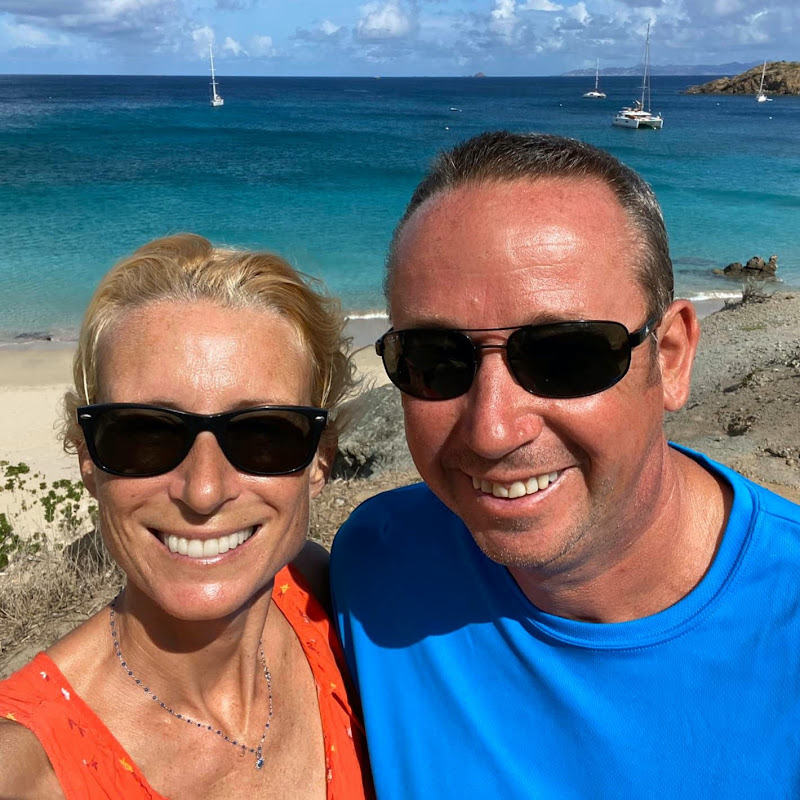
SailingBritican
#1240797 I inspire couples and families through adventure and freedom to become sailing cruisers. In 2013, my wife and 3 1/2-year-old daughter purchased the largest boat we could and sailed over 45,000 miles through the Mediterranean, crossing the Atlantic...
Joined: Feb 11, 2014
Subscribers: 33,200
Videos: 432
Views: 5,875,071
Comments: 0