YouTube Channels

Wildly Intrepid Sailing
Join our Sailing Adventure as we chase the endless summer on a shoestring budget. We sailed from the Great Lakes in Canada and made our way to the Bahamas. Our engine broke down but we kept on sailing!
Dream of travel, but don't know HOW to get there? WHA...
Joined: Jan 11, 2016
Subscribers: 11,500
Videos: 432
Views: 2,265,423
Comments: 0
SAILING into FREEDOM
Join us on our adventure where we sail to remote places around the world, live off the land where we can and try to keep our footprint as small as possible. It’s all about the challenges we face, the people we meet and take on as crew and the sharing of ...
Joined: Mar 12, 2015
Subscribers: 127,000
Videos: 625
Views: 38,262,175
Comments: 0
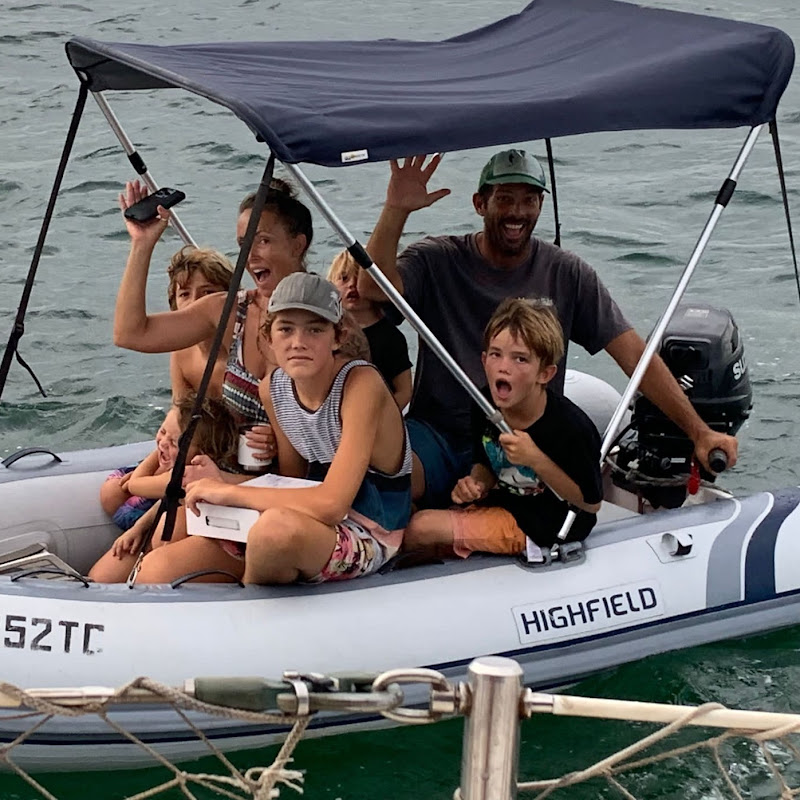
Motherload sailing
Come join us while we navigate through an unconventional lifestyle, raising our 5 kids at sea, living aboard our 50’ Bavaria sailboat.
House, jobs, creature comforts, we gave it all up and threw caution to the wind.
It's sink or swim as we deal with t...
Joined: Dec 11, 2022
Subscribers: 1,380
Videos: 80
Views: 127,789
Comments: 0
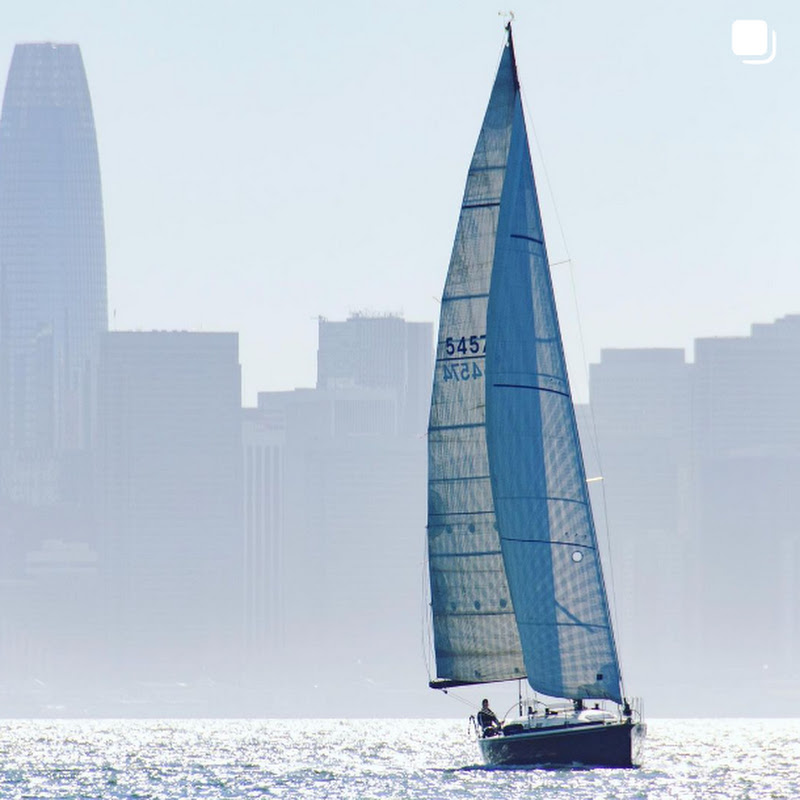
Our Lady Defiant
We live on our J-133, named Defiant, and sail along the California coast when we're bored of sailing in our home port of San Francisco Bay. We love to race, as well as cruise, so we bought a boat that does both, and we use it for both regularly! We also ha...
Joined: Sep 04, 2023
Subscribers: 373
Videos: 84
Views: 68,373
Comments: 0
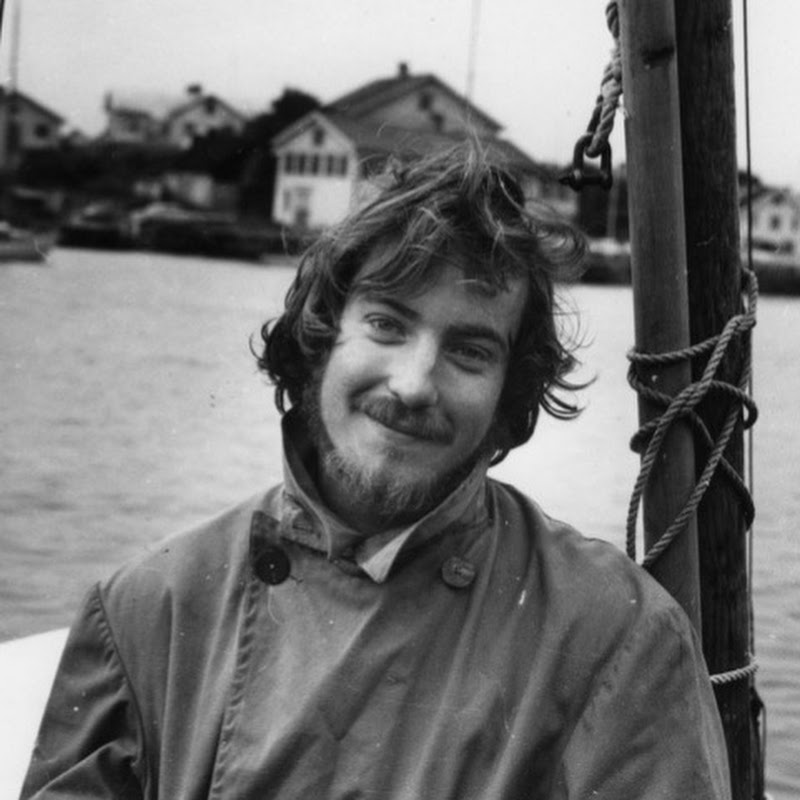
Sven Yrvind
Hi My name is Sven Yrvind. I design, build and cruise small boats. 1962 I left Sweden in 15 feet converted Blekingseka. I soon found out that there was room for improvement. To understand the basic I began to study mathematics and engenering. 1968 I sailed...
Joined: Oct 10, 2011
Subscribers: 22,700
Videos: 1073
Views: 4,426,621
Comments: 0
GBay Sailing
Videos of our Hunter 340 "Sunspot Baby" and crew racing and sailing in Texas, USA on Galveston Bay out of the Kemah Boardwalk Marina. Sometimes with video added from other boats we're racing against or from cruises on other boats.
We're just regular people...
Joined: May 27, 2011
Subscribers: 726
Videos: 347
Views: 237,630
Comments: 0

Sailing Uma
👋 We are Dan (From Canada) & Kika (From Haiti),
Creating videos of our journey, adventures, and lessons learned, as we explore the world, One country at a time, One project at a time, One Step at a time.
It all started 7 years ago when a friend ga...
Joined: Feb 04, 2015
Subscribers: 422,000
Videos: 511
Views: 99,215,105
Comments: 0
sailorama
Robinson and Justine are sailing the seas and living simply. We sailed tiny C&C 24 'Maiweh' down the Pacific Coast to San Francisco. We took on a bigger sailboat project there, a Buccaneer 335 name 'Rossa', and sailed her to Mexico. Now, we are current...
Joined: Jan 22, 2016
Subscribers: 9,760
Videos: 177
Views: 1,296,851
Comments: 0
All Hahns on Deck
Hi all!
Andy & Kirstin here. We're two crazy people who bought a boat with the intention of fixing it up and sailing around the world... or at least around the Caribbean. Thank you for joining us on our journey! We look forward to sharing every step ...
Joined: Jan 05, 2022
Subscribers: 42,600
Videos: 122
Views: 1,532,981
Comments: 0
Sailing Pickle Family
I had meningitis and survived, I had an epiphany! I decided I would learn to sail, buy a catamaran and sail the world... and here we are, making it happen! We are a family of five plus fur baby, we are reiki healers, home educating, a novice tattooist and ...
Joined: Jun 04, 2018
Subscribers: 19,100
Videos: 215
Views: 7,895,759
Comments: 0
Sailing with Thomas
Sailing solo around the world in a Bavaria 55 Cruiser - S/Y Be Free.
Most of the time sailing single handed and occasionally with friends and other guests. Dreaming of crossing the Pacific singlehanded.
Most of my life has been in the small coastal town T...
Joined: Nov 23, 2011
Subscribers: 22,200
Videos: 192
Views: 2,435,595
Comments: 0

The Foster Journey
Hi! We're a family of 3, working and cruising full-time. We sold our suburban life in 2020, sailed the US East Coast from Texas, and just wrapped up in the Bahamas. Now we're off to distant seas, learning as we go, and having a blast!
In these weekly vid...
Joined: Feb 01, 2009
Subscribers: 10,100
Videos: 326
Views: 1,159,534
Comments: 0