
YouTube Channels
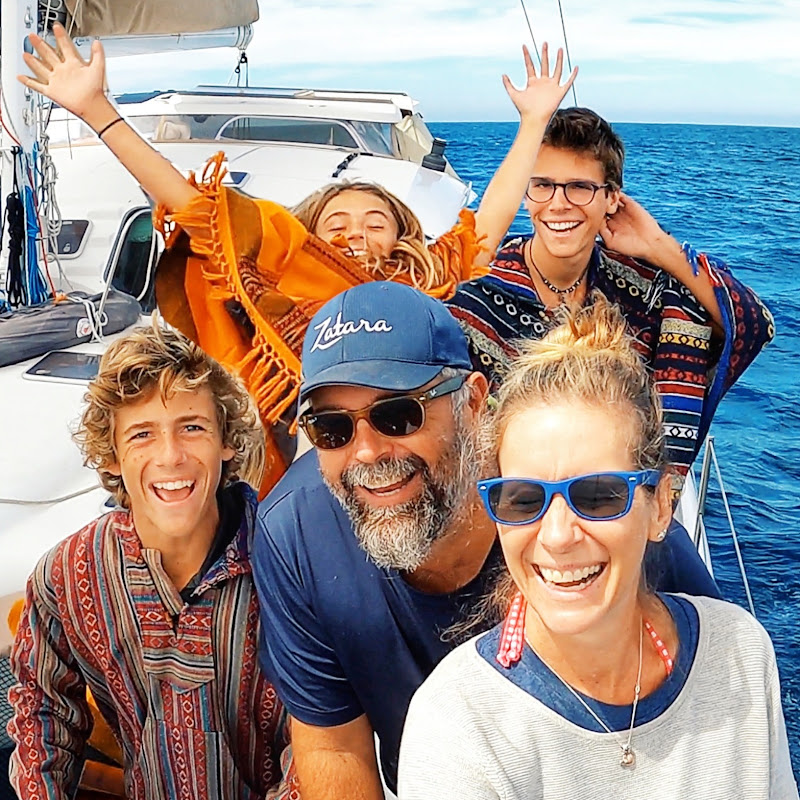
Sailing Zatara
As my husband and I entered our mid-40s, we realized we were completely exhausted with corporate America and the effect it was having on our marriage and our kids. Something definitely had to change.
So, we saved some cash, gathered our four kids and, reg...
Joined: Jun 14, 2016
Subscribers: 598,000
Videos: 251
Views: 116,893,891
Comments: 0
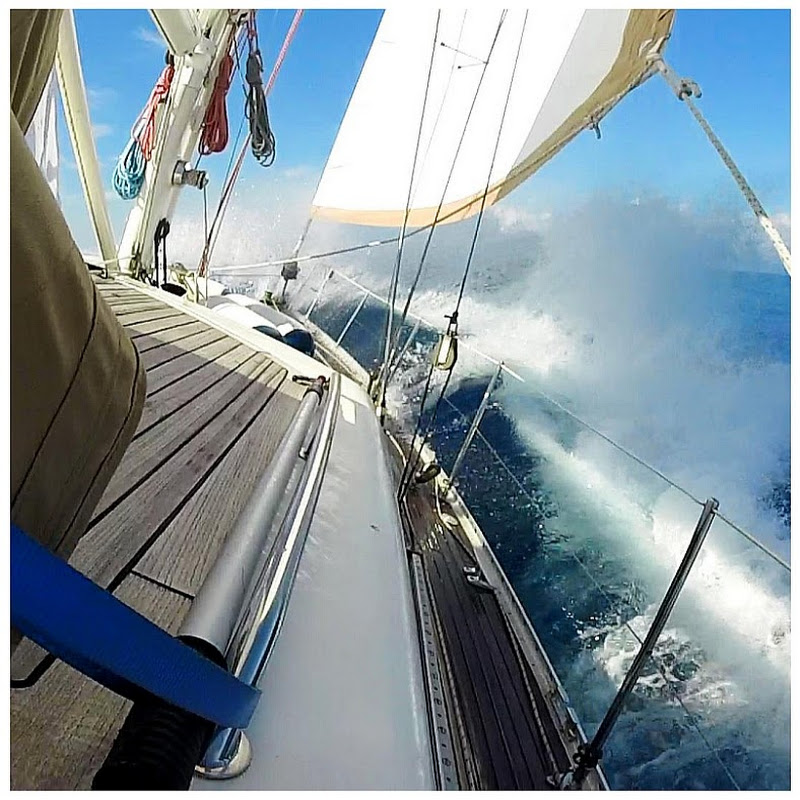
Sailing Talisman
We're cruising couple Kevin and Wendy, and we're sailing the world in our completely upgraded Oyster 485. We packed up everything, rented the houses, and headed for Troon, Scotland where the boat was located. We closed in late 2017 and following a major el...
Joined: Dec 25, 2015
Subscribers: 15,600
Videos: 116
Views: 2,710,644
Comments: 0

Sailing EV
This YouTube channel is a record of my attempt to be free and live a life out there on the Oceans. All I know is my dream of sailing endlessly and exploring this planet. It has consumed me for 3 years now and has been documented here.
I have worked so hard...
Joined: Mar 27, 2020
Subscribers: 3,740
Videos: 79
Views: 352,955
Comments: 0

World On Water
Highlights in the sport of Sailing, Globally, in the past seven days.
Joined: Feb 03, 2007
Subscribers: 33,000
Videos: 892
Views: 9,384,894
Comments: 0
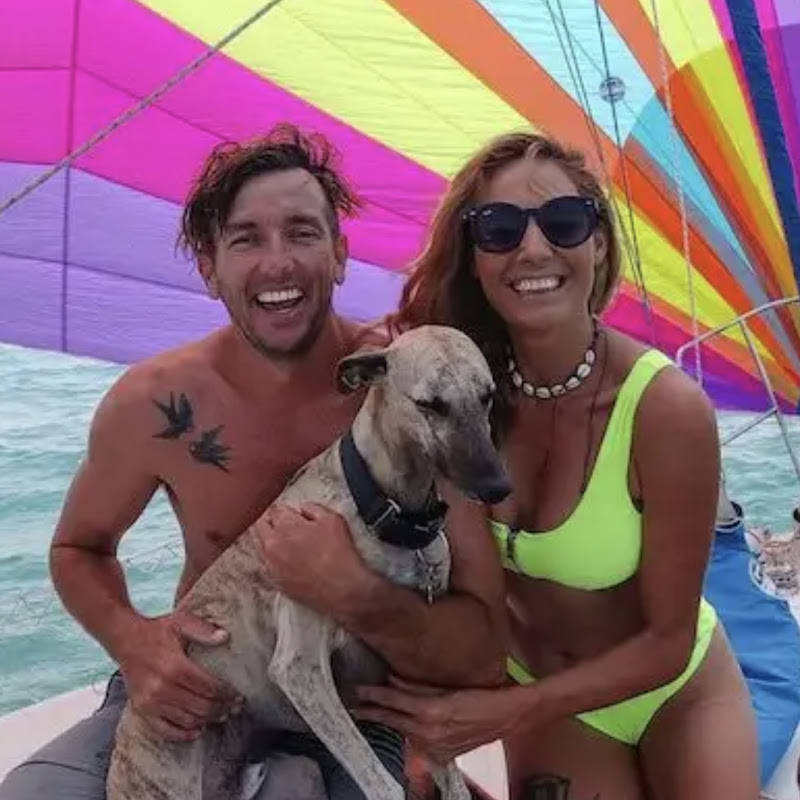
Sailing Nandji – Frothlyfe...
Young Australian couple circumnavigating the world on an old boat and on a tight budget. Follow our journey as we sail Nandji across the seven seas, taking you to some of the most remote corners of the world. We bought Nandji without any sailing experience...
Joined: Jan 15, 2015
Subscribers: 131,000
Videos: 217
Views: 36,249,362
Comments: 0

Sven Yrvind
Hi My name is Sven Yrvind. I design, build and cruise small boats. 1962 I left Sweden in 15 feet converted Blekingseka. I soon found out that there was room for improvement. To understand the basic I began to study mathematics and engenering. 1968 I sailed...
Joined: Oct 10, 2011
Subscribers: 22,700
Videos: 784
Views: 4,375,937
Comments: 0
Winded Voyage Sailing
An older dude who feels 30 sails the world on a small yacht and tells his live large adventures. Follow him from the beginning when he looks for a sailboat and buys it. Earns his Swiss offshore sailing license and refits his boat. Then sails alone from the...
Joined: Nov 20, 2015
Subscribers: 21,400
Videos: 310
Views: 6,738,055
Comments: 0

Sailing Melody
Sailing Melody is the official YouTube channel for the Bennington Family and our sailing adventures.
We are now well on our way to becoming a full time live-aboard family.
We started with a little 24ft Snapdragon bilge keel, and then moved up to a 28ft Gr...
Joined: Oct 26, 2019
Subscribers: 69,600
Videos: 121
Views: 13,800,961
Comments: 0

Sailing Bye Felicia
Sailing Bye Felicia is the story of Matt and Lisa, and their home, Sailing Vessel Bye Felicia. They are currently based in Key West, Florida. Watch as they learn to SCUBA Dive and SAIL!
Joined: Dec 06, 2021
Subscribers: 28,300
Videos: 211
Views: 8,942,219
Comments: 0
WEsail
WE are Warren and Erica! Follow us as we take on our biggest adventure yet. Sailing around the world in our Fountaine Pajot Helia 44 catamaran. WE have now been sailing and living aboard for 3 years and have fallen in love with life on the water.
WE are m...
Joined: Jun 04, 2012
Subscribers: 44,500
Videos: 215
Views: 8,293,937
Comments: 0
SAILING into FREEDOM
Join us on our adventure where we sail to remote places around the world, live off the land where we can and try to keep our footprint as small as possible. It’s all about the challenges we face, the people we meet and take on as crew and the sharing of ...
Joined: Mar 12, 2015
Subscribers: 127,000
Videos: 372
Views: 38,155,616
Comments: 0
Sailing Bohemia
Four years ago we moved from England to California not knowing a thing about sailing. In September 2019 we sailed our 36 foot boat under the Golden Gate Bridge and turned left, leaving the San Francisco Bay behind but taking our cosy home with us.
For us,...
Joined: Feb 19, 2019
Subscribers: 6,300
Videos: 135
Views: 653,091
Comments: 0